Stamped Concrete vs. Pavers for Commercial Properties: Pros and Cons
People seeking commercial stamped concrete installation often want durable, attractive surfaces, and local contractors can help them choose and install the best option between stamped concrete and pavers.
Choosing the right surface for a commercial property’s outdoor spaces is a common consideration for property owners looking to enhance curb appeal, durability, and functionality. When evaluating options like stamped concrete versus pavers for commercial properties, understanding the distinct advantages and potential limitations of each can help inform a practical decision. Property owners in the area often explore this topic to find solutions that balance aesthetics with long-term performance, especially for high-traffic areas such as walkways, patios, or parking lots. Local contractors specializing in stamped concrete installation can provide valuable insights and tailored recommendations based on the specific needs of commercial projects, ensuring the chosen surface complements the property's use and style.
As the decision between stamped concrete and pavers for commercial properties: pros and cons, it’s important to consider factors such as installation complexity, maintenance requirements, and overall appearance. While stamped concrete can offer a seamless, customizable look that mimics more expensive materials, pavers are known for their ease of repair and versatile design options. Property owners interested in a durable, visually appealing outdoor surface often turn to local service providers who can help evaluate these factors in relation to the property's unique environment and usage. Keep reading to discover how professional installation of stamped concrete can enhance commercial spaces and what considerations might influence the choice between these popular surfacing options.
- Commercial stamped concrete installation is ideal for properties seeking durable, customizable surfaces that mimic natural materials, with local contractors emphasizing quick installation and long-lasting results.
- Pavers for commercial properties are often chosen for their ease of repair and flexible design options, with service providers focusing on precise installation and maintenance.
- Stamped concrete vs. pavers for commercial projects involves weighing the cost-effectiveness and seamless appearance of stamped concrete against the modular, repair-friendly nature of pavers, with local pros guiding clients based on project needs.
- Concrete stamping services are suitable when a smooth, uniform surface is desired for high-traffic areas, with local contractors prioritizing surface preparation and finishing techniques.
- Paver installation for commercial spaces is preferred when future expansion or replacement is anticipated, with service providers emphasizing proper base work and joint filling for longevity.
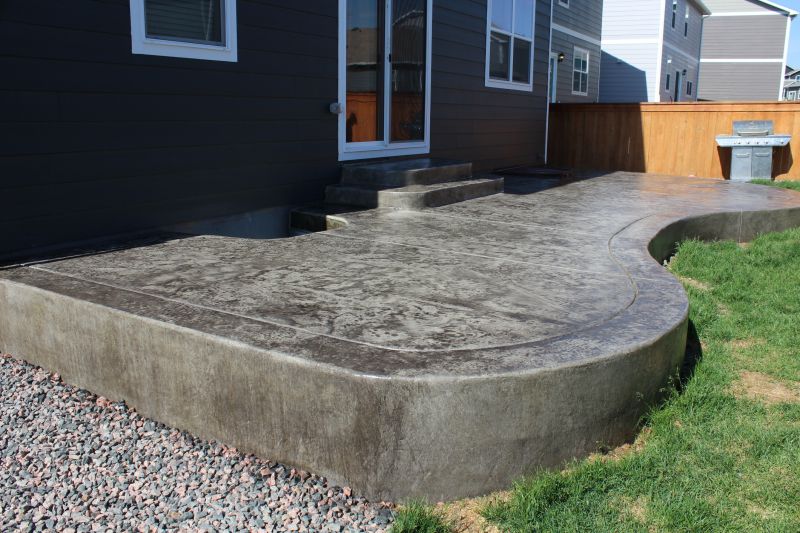
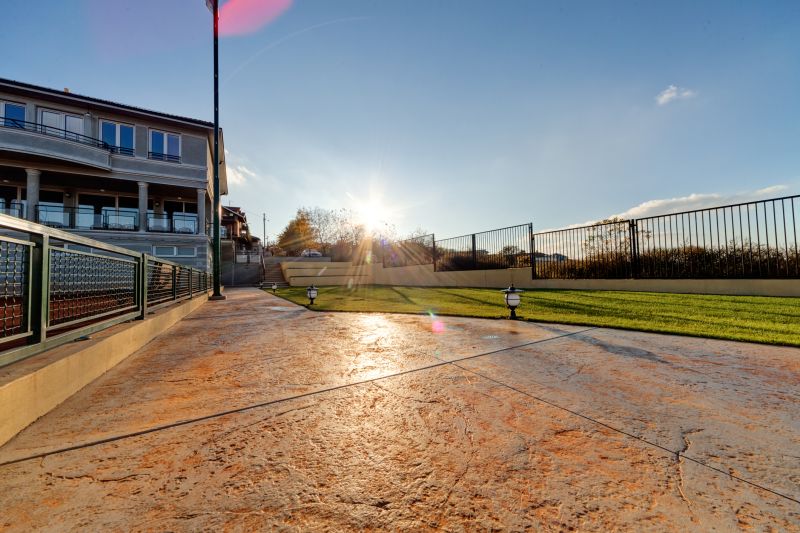
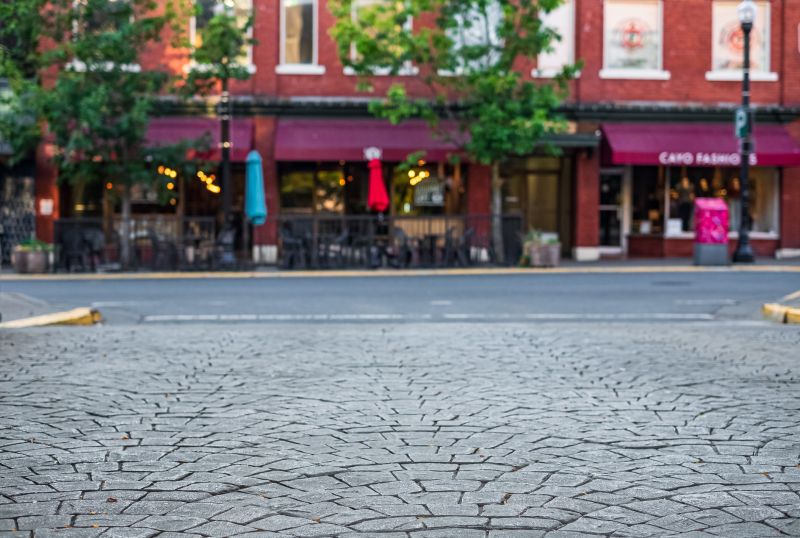
When searching for information on stamped concrete vs. pavers for commercial properties, most people are exploring options for enhancing outdoor spaces such as parking lots, walkways, patios, or entryways. These searches often relate to plans for improving curb appeal, increasing durability, or creating a specific aesthetic for business premises. Property owners and managers want to understand the advantages and disadvantages of each material to make informed decisions that align with their project goals. The focus tends to be on how these surfaces will perform over time, their maintenance needs, and how well they match the overall style of the property. Local contractors specializing in commercial stamped concrete installation can provide insights and services tailored to these needs, helping property owners choose the best solution for their specific project.
The types of problems or plans connected to this comparison typically involve selecting a surface that balances visual appeal with long-term performance. For instance, some property owners seek a decorative yet durable surface that can withstand heavy foot traffic or vehicle loads. Others may want a surface that requires minimal maintenance or can be customized with patterns and colors to match branding or aesthetic preferences. These considerations often lead to questions about the ease of installation, cost-effectiveness, and how each material responds to weather conditions or wear over time. Commercial property managers may also look for options that can be integrated into existing landscapes or parking areas, making the choice between stamped concrete and pavers a key part of their renovation or new construction plans.
Properties that typically come up in discussions about stamped concrete vs. pavers for commercial properties include retail centers, office complexes, industrial parks, and hospitality venues. These properties often require surfaces that can handle high traffic volumes, vehicle movement, and frequent use without deteriorating quickly. Parking lots are a common focus, where durability and ease of repair are critical factors. Walkways and outdoor gathering spaces also come into play, where aesthetic appeal and safety are priorities. Local service providers who specialize in commercial stamped concrete installation are experienced in working with these property types, ensuring that the chosen surface not only looks appealing but also meets the demands of a busy, functional environment.
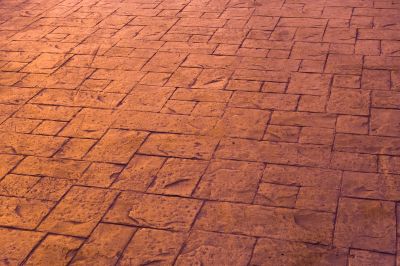
Understanding how stamped concrete and pavers compare helps property owners and managers plan their projects more effectively. For example, stamped concrete offers a seamless, uniform appearance that can mimic natural stone or brick, often at a lower installation cost. It can be colored and textured to match specific design themes, making it a versatile choice for decorative surfaces. Pavers, on the other hand, are individual units that can be replaced easily if damaged, and they often provide a more traditional or upscale look. Local contractors skilled in commercial stamped concrete installation can advise on which material aligns best with the property's usage, aesthetic goals, and maintenance expectations. By evaluating the pros and cons of each option, property owners can select a surface that enhances both the function and appearance of their commercial space.
Concrete stamping projects - professionals experienced in stamped concrete installation can adapt designs for various commercial applications, emphasizing pattern and texture similarities with pavers.
Paver installation services - local contractors skilled in paver projects often handle site preparation and layout planning similar to stamped concrete jobs for commercial properties.
Outdoor hardscape design - planning and executing decorative surfaces like patios and walkways require similar skills in surface leveling, pattern creation, and material selection.
Surface repair and restoration - repairing stamped concrete or pavers involves comparable techniques for surface preparation, joint filling, and finishing touches.
Commercial landscaping projects - integrating paved or stamped concrete surfaces into broader landscape plans involves planning and execution skills common to both.
Driveway and walkway construction - building durable, aesthetic surfaces for commercial properties requires expertise in material handling and surface finishing shared across these projects.
When evaluating contractors for stamped concrete vs. pavers for commercial properties, it is important to consider their experience with similar projects. A service provider with a proven track record in commercial stamped concrete installation can offer insights into the specific challenges and best practices associated with large-scale or high-traffic applications. Homeowners should inquire about the types of projects they have completed, ensuring that the contractor’s expertise aligns with the scope and complexity of the intended installation. This background can help ensure the selected professional understands the nuances of commercial surfaces and can deliver results that meet expectations.
Clear written expectations are essential when comparing local contractors for stamped concrete or pavers. A reputable service provider will be able to articulate the scope of work, materials to be used, and the overall process in detailed, understandable terms. Homeowners should seek out those who provide comprehensive proposals that outline project milestones, maintenance considerations, and warranties. Having these details in writing helps prevent misunderstandings and ensures that all parties are aligned on the goals of the project, leading to a smoother installation process and a final result that aligns with the property’s needs.
Reputable references and good communication are key factors in selecting a reliable contractor for commercial stamped concrete installation or paver work. Contractors who can provide references from previous commercial clients demonstrate their ability to handle similar projects successfully. Additionally, effective communication throughout the process-whether through timely responses, clear explanations, or proactive updates-can significantly impact the overall experience. Homeowners should prioritize service providers known for transparency and responsiveness, as these qualities contribute to a collaborative process and a final outcome that meets the property’s functional and aesthetic requirements.
Property owners often search for stamped concrete vs. pavers for commercial properties: pros and cons when they are planning practical projects around their homes and businesses. Local pros provide Commercial Stamped Concrete Installation services for everyday jobs and straightforward project options.
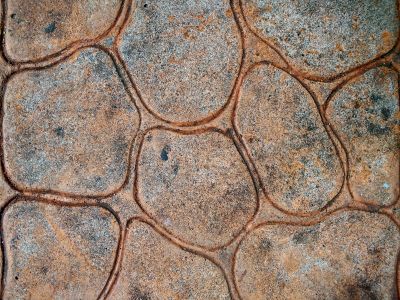
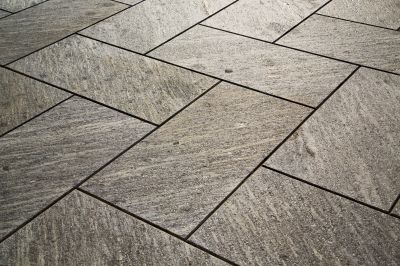
When considering surface options for commercial properties, property owners often compare stamped concrete versus pavers for their durability and visual appeal. Stamped concrete can provide a seamless, uniform look that mimics more expensive materials like stone or brick, making it a popular choice for high-traffic areas such as walkways, patios, and driveways. Pavers, on the other hand, offer a modular design that can be easily repaired or replaced if damaged, which can be advantageous in busy environments where wear and tear are common. Local contractors experienced in stamped concrete installation can help property owners evaluate which option aligns best with their aesthetic goals and functional needs, ensuring a long-lasting, attractive outcome.
For many property owners, the decision between stamped concrete vs. pavers for commercial properties also hinges on maintenance and installation considerations. Stamped concrete tends to have a smoother surface that may require regular sealing to prevent cracks and staining, while pavers can be more forgiving with ground shifts and may need occasional resetting of individual units. Local service providers can assist in weighing these factors, providing insights into installation processes and ongoing upkeep. Choosing the right surface can impact the property's overall look and functionality, making it beneficial to consult with experienced contractors who understand the specific demands of commercial environments.
What are the main advantages of stamped concrete compared to pavers for commercial properties? Stamped concrete offers a seamless surface that can mimic various designs and textures, providing a uniform appearance. It generally requires less maintenance and can be more cost-effective for large areas when installed by local contractors.
What are the benefits of choosing pavers over stamped concrete for commercial landscapes? Pavers are highly durable and allow for easier repairs, as individual units can be replaced if damaged. They also provide better drainage, making them suitable for areas prone to standing water.
How do durability and longevity compare between stamped concrete and pavers? Pavers tend to have a longer lifespan and withstand heavy traffic better over time, especially when installed by experienced local service providers. Stamped concrete may develop cracks more easily but can be reinforced or resurfaced as needed.
Are there differences in maintenance requirements between stamped concrete and pavers? Pavers generally require less maintenance since individual units can be replaced if damaged, and they resist weed growth between joints. Stamped concrete may need sealing and crack repairs to maintain its appearance and integrity.
Which option offers more design flexibility for commercial property projects? Stamped concrete provides a wide range of customizable patterns and colors in a continuous surface, while pavers offer diverse shapes and arrangements, allowing for creative layouts. Local contractors can help determine the best choice based on design goals.
Assessing durability needs - property owners can consider the expected foot traffic and weight load to determine whether stamped concrete or pavers will hold up better for their commercial space with help from local contractors.
Matching aesthetic preferences - choosing between stamped concrete and pavers can be guided by the desired look for the property’s outdoor areas, with local pros offering design options that suit specific styles.
Planning for maintenance requirements - understanding the long-term upkeep of stamped concrete versus pavers can influence project choices, with local service providers offering insights on care and repairs.
Evaluating installation complexity - property owners can explore which surface type fits their timeline and site conditions, as local contractors can manage the installation process efficiently for either option.
If you are thinking about stamped concrete vs. pavers for commercial properties: pros and cons for a property, this guide is meant to help you understand this topic, the typical project types, and how different options might fit your plans.
When you are ready, you can use the quote form on this page to share a few details about your project. From there, local pros can review the basics and follow up with options that match what you have in mind.